Automation: A Nation of Innovation How Digital Tools Transform The Trading Landscape
In the current rapidly evolving financial landscape, the idea of an automated trading future has emerged as a revolutionary force for traders at all levels. The incorporation of advanced software tools into trading systems has changed how investors analyze markets, execute trades, and mitigate risks. With technology developing at lightning speed, these tools provide a wealth of advantages that make trading more productive and attainable than before.
Traders are increasingly turning to automated solutions that simplify processes and provide valuable insights in the moment. By leveraging algorithms, artificial intelligence, and data analytics, these software tools enhance decision-making capabilities and remove emotional biases that can frequently lead to bad investment choices. Whether you are a seasoned professional or a novice beginning your trading journey, adopting automation can significantly improve your trading strategy and overall results.
The Surge of Automated Trading
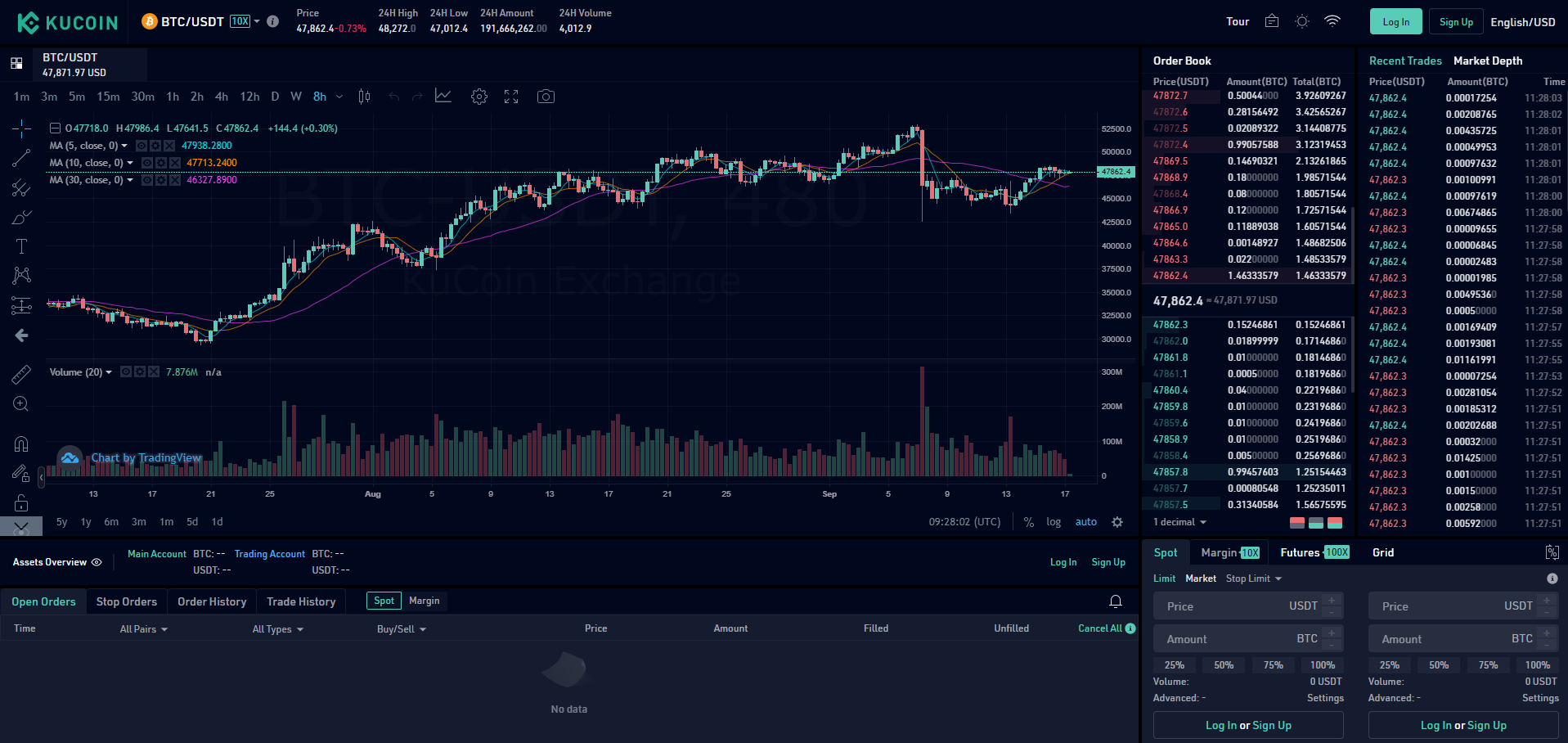
In recent years, the trading landscape has experienced a remarkable transformation due to the emergence of algorithmic trading. This innovative approach leverages sophisticated software tools to streamline trading processes, enabling traders to execute orders at rates and volumes that are truly unattainable through manual methods. Algorithmic trading systems utilize complex algorithms and statistical models to analyze market conditions, enhancing decision-making and streamlining trade executions.
One of the key advantages of algorithmic trading is its ability to minimize human emotion in trading decisions. Emotional trading can often cause detrimental outcomes, as traders might make hasty decisions driven by anxiety or greed. Software tools remove this factor, executing trades based on predefined criteria and market signals. This systematic approach results in a more consistent trading performance, as it adheres strictly to the defined trading system.
Moreover, the efficiency of these tools enables traders to capitalize on market opportunities in immediate time. With algorithmic trading, traders can react to price changes and market dynamics instantly, taking advantage of ephemeral opportunities that may exist only moments. https://www.tradesoft.es/ is especially beneficial in today's fast-paced financial markets, where just delays can cause missed profits. As the technology continues to progress, the adoption of algorithmic trading is projected to grow, revolutionizing the future of trading practices.
Key Software Tools in Current Trading
The environment of trading has been greatly altered through the utilization of sophisticated software tools crafted to improve productivity and choices. One of the key tools in this ecosystem is the trading platform, which acts as the portal for traders to carry out orders, observe the markets, and examine price movements in the moment. Popular platforms such as MT4 and TradingView offer a broad selection of features including tailorable charts, technical indicators, and automated trading capabilities, allowing traders to operate more efficiently and adapt swiftly to market shifts.
Another essential component of modern trading is algorithmic trading software, which allows traders to develop and apply complex trading strategies that can perform at speeds and efficiencies unattainable through manual trading. These algorithms can analyze vast amounts of data, execute trades based on preset criteria, and adapt to fluctuating market conditions. By simplifying these processes, traders can free up time to focus on strategy creation and assessment, considerably improving their overall trading performance.
Lastly, risk management tools hold a crucial role in safeguarding traders' capital. Software focused to risk assessment provides scenarios and performance tracking, helping traders identify potential risks and adjust their strategies accordingly. Features such as stop-loss orders, portfolio analyzers, and value-at-risk calculators help in lessening losses and ensuring viable trading practices. Ultimately, these software tools empower traders to achieve a disciplined approach while navigating the complexities of the financial markets.
Issues and Dangers in Automated Trading
While the advantages of automated trading systems are substantial, they come with their own variety of issues and risks that market participants must be aware of. One major concern is the overreliance on software. Software tools can fail due to errors, downtime, or connectivity issues, which might lead to lost chances or unforeseen losses. Traders must ensure reliable backup systems and contingency plans to lessen these threats.
Market conditions can also pose complications for automated trading systems. These systems often rely on past market data and predetermined strategies to make trading choices. However, unexpected market events, such as economic crises or societal unrest, can render these algorithms ineffective. Investors must remain vigilant and ready to take manual action when market situations shift quickly or unexpectedly.
Finally, there is the risk of excessive tweaking or “curve fitting.” Investors might adjust their algorithms to perform very effectively on historical data, but this can lead to poor performance in actual trading environments. It is important to maintain a equilibrium between building complex trading strategies and ensuring that they remain flexible to changing market conditions. Ongoing oversight and adjustment are vital to addressing these inherent risks in automated trading.